Tips for running properly and choosing the right shoes
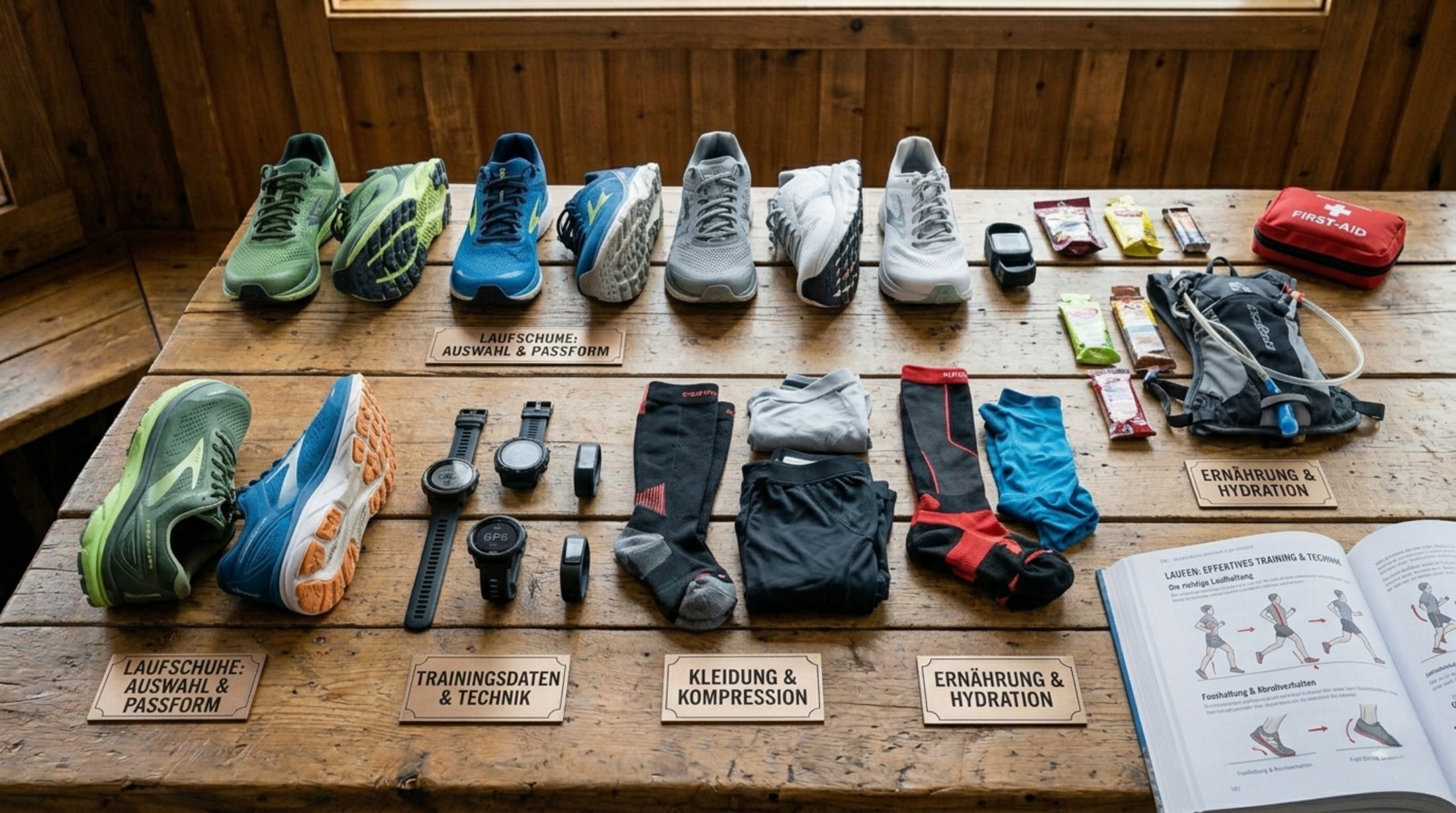
In addition to breathable clothing, choosing the right running shoe is crucial. It must fit the shape of the foot, the runner’s style, and their weight so that cushioning, support, and flexibility work together optimally.
The right shoe is crucial
With so many manufacturers and models to choose from, it’s especially important to select a running shoe that truly fits your foot and running style.
Foot shape, weight, and running style matter
Good running shoes must absorb impact, support the foot, and remain flexible during the push-off phase.
Proper care keeps your shoes looking great longer
The lifespan of a running shoe is limited, but it can be significantly extended with proper cleaning, drying, and storage.

Which running shoe is the right one?
Generally speaking, running shoes can be divided into several categories. Which one is right for you depends on your foot type, training goals, and intended use.
Neutral shoes
For runners with healthy feet and a neutral gait. They provide cushioning without excessive corrective support.
Stability and motion control shoes
For runners who need extra support due to a foot misalignment or an unstable running style.
Lightweight Trainer
Once intended primarily for competitions, these shoes are now often sturdy enough for training as well, making them an attractive option for serious runners.
Trail shoes
With a more deeply treaded sole for off-road terrain, gravel, and unpaved paths. Many models are also specifically designed for women and men.
What a good running shoe needs to do
A good running shoe should be more than just comfortable. It supports natural movement, reduces impact, and provides a stable running experience.
Damping
Upon impact, the shoe is designed to absorb the resulting forces and reduce the strain on joints and muscles.
Stability
The foot should be guided and supported without being unnecessarily restricted in its natural movement.
Flexibility
Especially during the push-off phase, it is important that the shoe remains sufficiently flexible and supports a dynamic running style.
Relevant category
Whether it's for road running, competition, or trail running: the intended use helps determine which model is the best choice in the long run.

How to properly care for your running shoes
Running shoes typically wear out after about 600 kilometers. However, with proper care, you can significantly extend their lifespan.
Ventilate after each run
Let the shoes air out thoroughly, but don’t place them directly in the sun or on a radiator. Too much heat can cause the adhesive to come loose.
Gentle cleaning
Remove heavy dirt with lukewarm water and a soft sponge. Specialized outdoor cleaners are more suitable than regular soap.
Drying Properly
Remove the insoles and stuff the shoes with newspaper to absorb moisture.
Do not put in the washing machine
Washing machines and harsh detergents significantly shorten the lifespan of the adhesive, upper material, and midsole.
A special shoe deodorant helps combat sweat odor by reducing odors and fighting bacteria at the same time.
Are you looking for the right running shoes?
We offer personalized advice on running shoes, clothing, and other gear for training, road running, and trail running.