Climbing – Equipment, Buying Guide & Safety
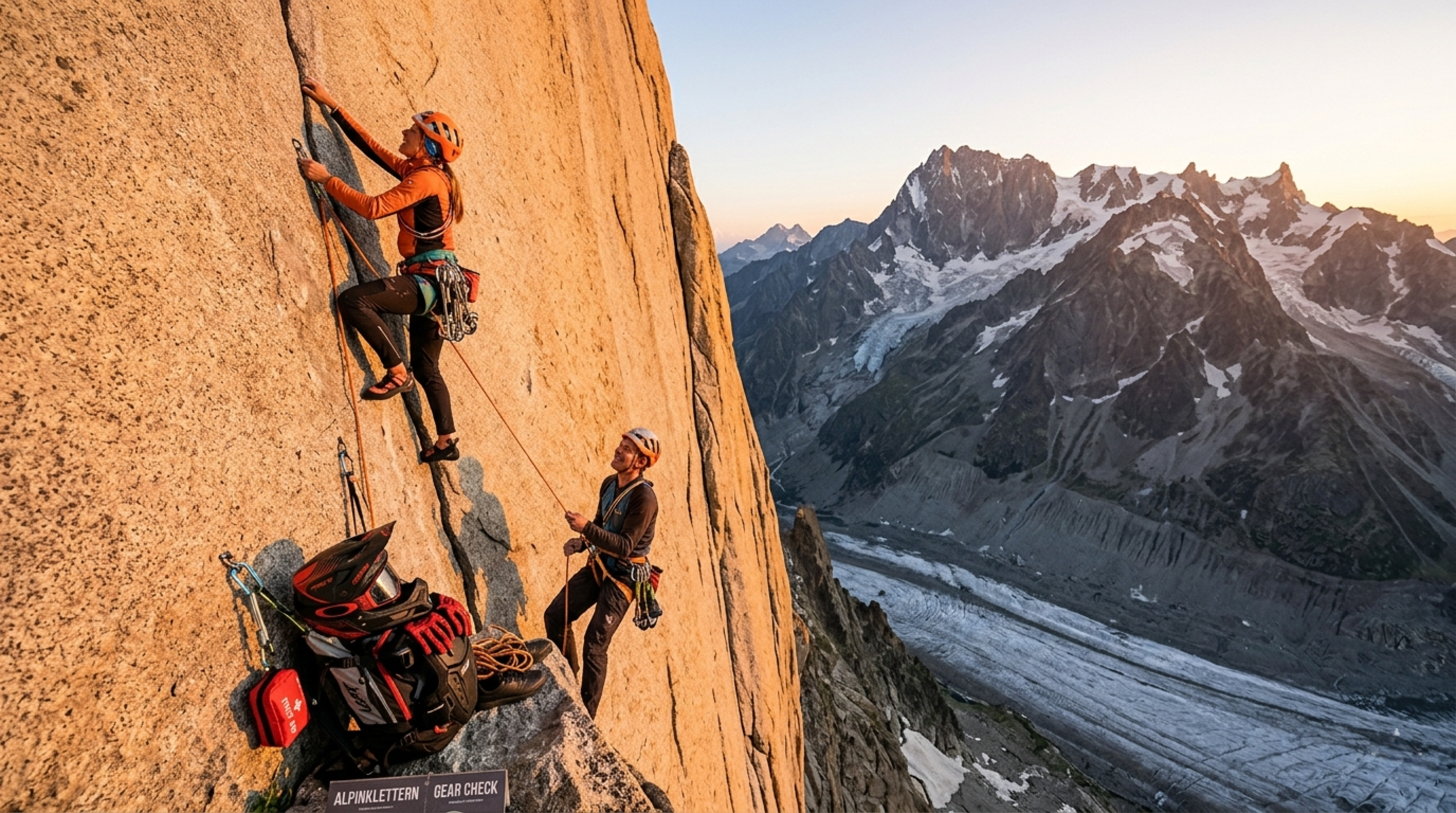
Climbing has evolved from a niche sport into a popular outdoor activity. Whether you’re climbing at a climbing gym or tackling alpine routes, you need the right gear—and a good understanding of the equipment and its intended use.
From indoor to rock climbing
More and more people are discovering climbing not only indoors but also outdoors on rock—which brings entirely new demands on equipment and safety.
The right equipment makes all the difference
Climbing harnesses, carabiners, helmets, and belay equipment must not only be of high quality but also suitable for your specific use.
Safety starts with making the right choice
When it comes to climbing, fit, safety standards, the condition of the equipment, and proper use are especially important.

Climbing harnesses: Fit, comfort, and safety
A climbing harness must distribute the impact force as gently as possible to the strongest parts of the body. At the same time, it must fit perfectly, should not cause any pressure points, and should not restrict freedom of movement.
Try it before you buy
Before purchasing a climbing harness, you should try it on using a hanging device in the store. This is the only way to realistically assess the fit and comfort.
Hip belts
Hip belts wrap around the pelvis and thighs. Adjustable straps, gear loops, and a rope attachment loop make them the go-to choice for many applications.
Two-piece harnesses & combination harnesses
The chest harness and seat harness can be used separately or as a combined harness. For via ferrata routes and high-altitude mountaineering, there are special models with a rope attachment point at chest height to prevent uncomfortable hanging positions.
Climbing harnesses are made of tear-resistant synthetic webbing; padded leg loops and color-coded load-bearing seams enhance comfort and make visual inspection easier.
Carabiners, hooks, helmets & safety equipment
In addition to the harness, carabiners, intermediate anchors, and helmets are also part of the basic equipment. The right choice depends on the intended use, standards, and the specific safety system.
carabiner
Most are made of light metal. Different types meet different standards and load requirements.
hook
They serve as intermediate anchors or belay points and must be suited to the rock, material, and geometry.
Clamping wedges
They are placed in cracks and removed cleanly. Different sizes and shapes enhance their adaptability.
Climbing helmets
Specifically designed to withstand impacts from above and tested to protect the head and cervical spine.

Ice climbing and additional equipment
Additional gear is required for mixed climbing and pure ice climbing. In these situations, weight, stability, and ease of use while wearing gloves are particularly important.
Ice Axe
The ice axe serves both as a means of locomotion and as part of the safety chain when walking and climbing on firn and ice.
Lightweight, sturdy, and functional
Modern ice axes usually have a shaft made of lightweight metal or plastic with a non-slip coating, as well as a wrist strap.
Standards and Load Capacity
According to UIAA standards, the ice axe shaft must be able to withstand heavy loads. Certified quality is crucial, especially for alpine use.
The same applies to ice climbing: equipment must not only be lightweight and durable, but also safe and intuitive to use.
Are you looking for the right climbing gear?
We offer personalized advice on climbing harnesses, helmets, carabiners, and other gear for indoor climbing, rock climbing, and alpine tours.